Best heavy-duty chair lifts for disabled adults solve a practical problem that standard mobility equipment often misses: safe, comfortable transfer for people who need higher weight capacity, better stability, and easier operation every day. In this guide, I cover what heavy-duty chair lifts are, who they help, which features matter most, and how to compare the best chair lifts for disabled users without getting distracted by marketing claims. A chair lift can mean a stair lift with a reinforced seat and rail, a porch or vertical platform lift with a seat option, or a powered recliner lift chair that raises the user to a near-standing position. For most buyers researching heavy-duty chair lifts for disabled adults, the decision comes down to two categories: stair lifts for moving between floors and lift chairs for seated transfer in the home. Weight capacity, seat width, transfer height, motor quality, backup power, and installation conditions determine whether a model is genuinely heavy-duty. This matters because the wrong lift is not just inconvenient; it can create fall risk, skin-pressure problems, painful transfers, and expensive replacement costs. I have worked with families comparing Bruno, Harmar, Golden Technologies, Pride Mobility, and similar brands, and the same lesson comes up repeatedly: the best product is the one matched to the user’s body size, home layout, and caregiver routine. If you want a reliable shortlist, start by understanding the difference between capacity ratings and real-world comfort, because a chair rated for 400 pounds may still feel cramped, unstable, or hard to enter if the seat geometry is poor.
What qualifies as a heavy-duty chair lift
A heavy-duty chair lift is built for higher loads, frequent use, and safer transfers than entry-level models. In stair lifts, that usually means a weight rating of 350 to 600 pounds, a wider seat, stronger transmission, reinforced rail, and a footrest designed to support larger users without flex. In lift recliners, heavy-duty usually starts around 375 pounds and can exceed 500 pounds on bariatric models. The best chair lifts for disabled users also include features that do not appear in headline ads but matter in daily use: seat depth options, arm width, swivel locks, battery backup, emergency lowering, obstruction sensors, and fabric or vinyl choices that reduce heat and shear. A high capacity label alone is not enough. I have seen buyers choose a 400-pound chair that technically fit the user, yet the arm spacing compressed the hips and the seat height made standing harder. True heavy-duty performance combines structural strength with correct ergonomics.
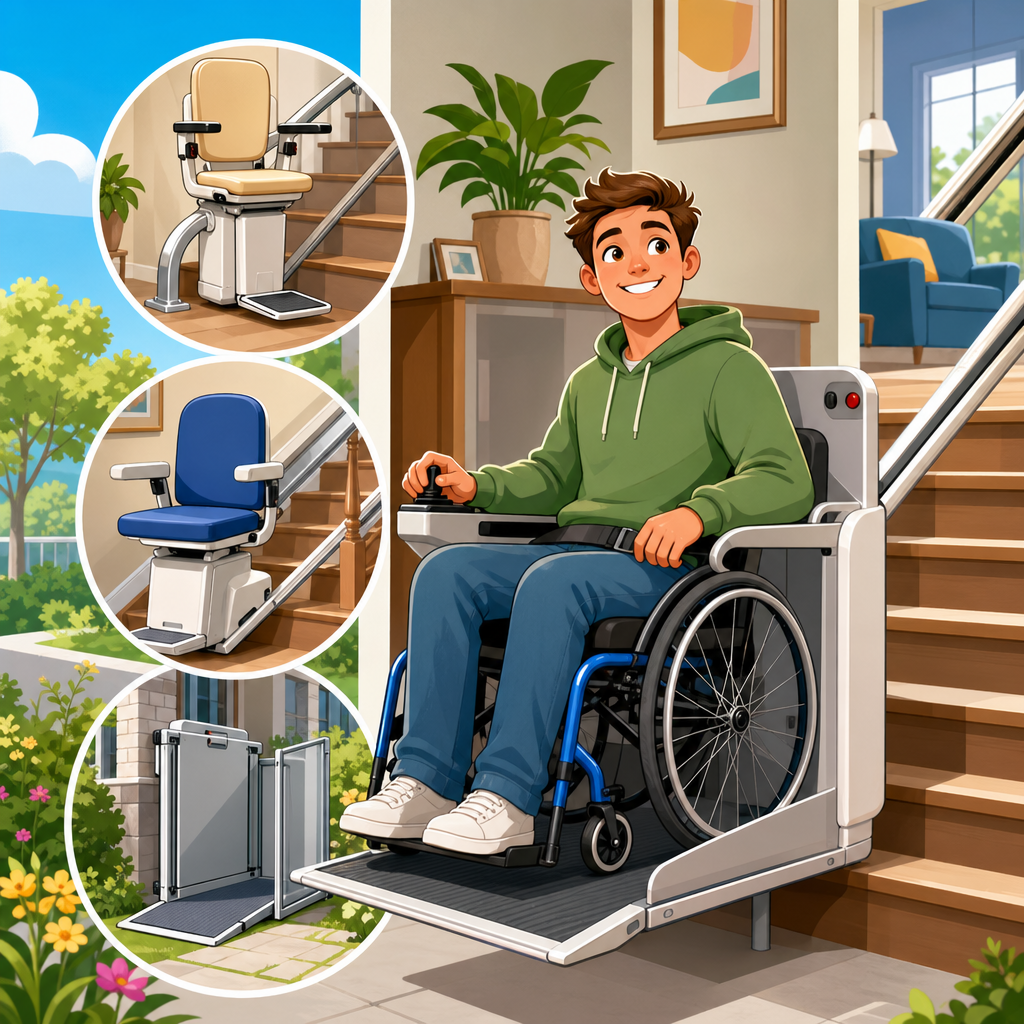
Buyers should also distinguish between mobility limitations. Someone with lower-body weakness from multiple sclerosis may need a powered lift recliner with excellent rise assistance and lateral support. A person with spinal cord injury, severe arthritis, or obesity may need a bariatric stair lift because climbing stairs is no longer safe. Someone using a wheelchair may be better served by a platform lift rather than any seated chair lift. The best heavy-duty option depends on the transfer method. If a user can pivot safely into a seat, a stair lift may work. If they remain in a wheelchair, a vertical platform lift is often the more appropriate accessibility solution under local code and practical use conditions.
Key features that separate the best models
When I evaluate heavy-duty chair lifts, I look at six factors first. The first is actual usable space, not brochure language. Measure seat width between arms, overall seat depth, back height, and footrest depth. The second is drive system quality. Rack-and-pinion and cable systems each have strengths, but premium units generally deliver smoother starts and stops, less vibration, and more predictable service support. Third is power resilience. Battery-powered stair lifts continue running during outages, which is essential for users who cannot safely wait upstairs or downstairs. Fourth is transfer safety. A powered swivel seat, lockable armrests, and easy-to-reach controls matter more than decorative upholstery. Fifth is installation fit. Narrow staircases, intermediate landings, and outdoor exposure can eliminate otherwise excellent models. Sixth is dealer support. A chair lift is not a boxed consumer gadget; it is a fitted mobility system that requires proper measurement, installation, and service.
Comfort details deserve equal attention. People who sit for long periods often need pressure-distributing cushions, firmer foam that does not bottom out, and upholstery that is easy to clean. For disabled adults with edema or circulation issues, a lift recliner with independent back and footrest motion is usually more useful than a simple two-position chair. Infinite-position and zero-gravity styles can help reduce pressure and improve comfort, but they must still provide a strong and stable lift arc. For stair lifts, check whether the seat folds compactly, whether the footrest folds automatically, and whether the seatbelt is easy to fasten with limited hand strength. Small usability failures become daily barriers.
Top heavy-duty chair lift categories and who they fit best
The market is easier to navigate when you compare categories instead of chasing a single “best” product. The right answer depends on the user’s mobility pattern, body size, and home setup.
| Category | Typical Capacity | Best For | Key Limitation |
|---|---|---|---|
| Heavy-duty stair lift | 350 to 600 lbs | Users who can transfer into a seat and need floor-to-floor access | Requires adequate stair width and safe seat transfer |
| Bariatric lift recliner | 375 to 500+ lbs | Users needing sit-to-stand help in living rooms or bedrooms | Does not solve stair access |
| Vertical platform lift | 600 to 1,000+ lbs | Wheelchair users needing porch or short-rise access | Higher cost and more installation complexity |
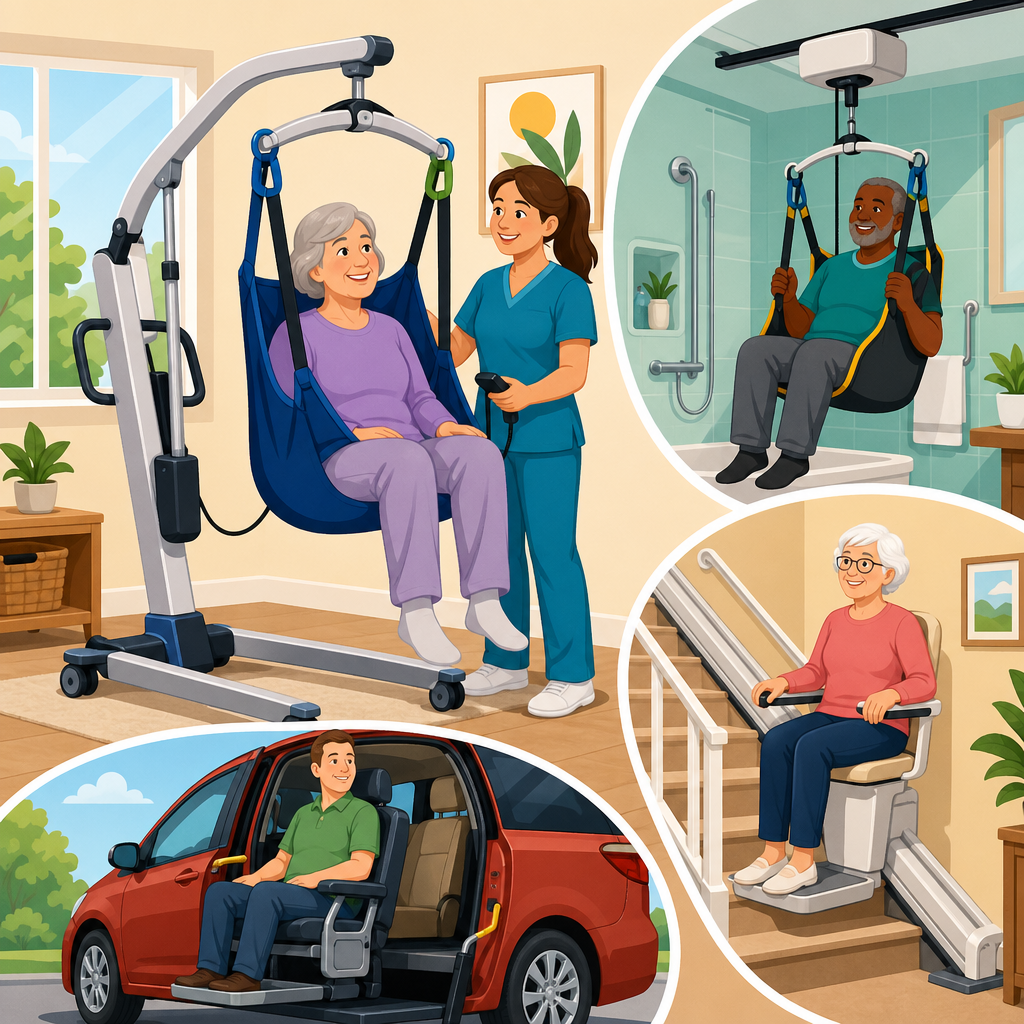
| Ceiling or mobile patient lift with chair sling | Varies by model | Users needing full assisted transfer with caregiver support | Not a substitute for independent stair travel |
For stair lifts, Bruno’s heavy-duty line is often a benchmark because of build quality, smooth ride, and strong dealer networks. Harmar is widely considered for custom curves and broad availability. On lift recliners, Golden Technologies and Pride Mobility remain common recommendations because they offer multiple sizes, power positions, and dependable parts support. Mega Motion and Sitting Pretty models appear in more price-sensitive searches, but buyers should verify service coverage before focusing on sticker price. The best chair lifts for disabled users are the ones with accessible local support, since motor or hand-control issues need fast resolution.
Best heavy-duty stair lifts for disabled adults
Heavy-duty stair lifts are ideal for people who can sit, remain upright during travel, and transfer on and off safely at both landings. Straight stair lifts cost less and install faster because the rail follows a single run. Curved stair lifts are custom built for turns, landings, and complex staircases, so lead times and pricing increase. In heavy-duty applications, straight models are often simpler and sturdier, but many homes require custom rail geometry. Bruno Elite and comparable premium systems are frequently shortlisted because they pair higher capacities with a wide seat, quality engineering, and reliable battery operation. Harmar’s upper-tier units are also common in homes with unusual stair layouts where customization is critical.
Important buying checks include staircase width, top and bottom landing clearance, seat-to-wall offset, and whether the user’s knees will clear the wall or banister during travel. Manufacturers may specify a minimum stair width, but real usability can still fail if a larger user feels crowded while seated. Ask for an in-home assessment with measurements taken from nose of tread to opposite obstruction, not rough tape estimates. Also verify call-send controls, manual or powered swivel operation, and whether the rail overruns improve safer exit away from the staircase edge. These are not luxury upgrades; they directly affect fall prevention.
Outdoor heavy-duty stair lifts deserve separate scrutiny. They need weather-resistant covers, sealed electronics, UV-stable materials, and rails designed for moisture exposure. In practice, outdoor units also need regular cleaning and inspection because pollen, salt air, and debris shorten component life. If the route involves more than a few exterior steps and the user is wheelchair-dependent, an outdoor vertical platform lift may be the better long-term solution.
Best heavy-duty lift chairs for disabled users at home
Lift recliners help disabled adults stand with less strain and sit down with more control. They are especially useful for arthritis, muscular weakness, post-surgical recovery, Parkinsonian rigidity, and conditions that make repeated transfers exhausting. In the heavy-duty category, look for reinforced frames, dual or triple motors, wider seats, firmer support foam, and a lift trajectory that places the user’s feet well under the knees before full rise. I have seen many people reject chairs that looked plush but pitched them too far back before rising, which increased fear and made transfer harder. A strong lift mechanism needs a stable forward path, not just more power.
Golden Technologies’ bariatric and maxi-comfort lines are often favored for positioning versatility and size options. Pride Mobility’s large and tall models are popular for broad dealer access and straightforward controls. Ashley Furniture and mass retail recliners sometimes appear in searches for lift chairs, but they usually do not match medical-grade mobility features, service support, or bariatric durability. If edema management or long sitting periods are concerns, prioritize independent back and leg movement, pressure-aware cushioning, and fabrics that stay cooler. If hand dexterity is limited, test the remote. Tiny buttons and unclear icons become major frustrations.
Placement in the room matters more than most guides mention. A heavy-duty lift chair needs clearance behind the backrest, a power outlet positioned to avoid trip hazards, and enough side space for walkers or caregiver access. If the user transfers from a wheelchair, check whether the armrests allow lateral approach and whether the seat height matches the wheelchair cushion height closely enough to reduce shearing during transfer.
How to choose the right model for safety, comfort, and value
Start with the user, not the catalog. Record body weight, hip width, lower-leg length, shoulder height, transfer method, and hand function. Then evaluate the environment: stair width, doorway clearance, flooring, outlet placement, and exposure to weather. Next, define goals. Is the lift meant to preserve independent movement, reduce caregiver strain, prevent falls, or delay a move to a single-level home? That goal changes the recommendation. A retired couple may need a stair lift that keeps the bedroom upstairs accessible. An adult child caring for a parent with progressive weakness may gain more value from a bariatric lift recliner plus a bedroom relocation plan if stairs are becoming too risky.
Budget should include equipment, installation, service, upholstery upgrades, and possible home modifications. Heavy-duty straight stair lifts often cost less than curved models by a wide margin, while premium bariatric recliners vary depending on motors and positioning. Medicare generally does not cover stair lifts, and lift chairs are only partially covered in limited cases, typically for the motorized lift mechanism rather than the full chair, subject to medical necessity and supplier rules. Veterans benefits, Medicaid waivers, state assistive technology programs, nonprofit grants, and long-term care policies may help. Always confirm eligibility before buying, because reimbursement language varies by program and state.
Finally, insist on a live demonstration whenever possible. The best chair lifts for disabled users should be easy to enter, simple to control, and confidence-building on the first try. If a product feels awkward during a demo, daily use will not improve it.
Common mistakes buyers make and how to avoid them
The first mistake is buying by weight rating alone. Capacity is necessary, but seat dimensions, rise geometry, and transfer mechanics determine success. The second mistake is ignoring future progression. If the user’s condition is likely to worsen, choose a system that accommodates declining strength and balance. The third is underestimating service access. A discounted online model with weak local support can become unusable after a minor electrical fault. The fourth is skipping code and installation questions. Platform lifts, exterior lifts, and some stair applications may require permits, dedicated electrical work, or specific clearances under local regulations and manufacturer instructions.
Another common error is treating all “chair lifts” as interchangeable. A stair lift, lift recliner, patient lift, and platform lift solve different problems. Families often call asking for the best heavy-duty chair lift, but after a short conversation it becomes clear they need either a porch lift for wheelchair access or a transfer aid beside the bed. Precision in terminology saves time and money. Before purchasing, ask three direct questions: Can the user transfer safely? Will this device still work six to twelve months from now? Who repairs it locally if it fails? Clear answers usually narrow the field quickly.
The best heavy-duty chair lifts for disabled adults combine high capacity, correct fit, safe transfer design, and dependable support long after installation day. For stairs, premium heavy-duty models from established brands stand out when they match the home layout and the user can transfer securely into the seat. For daily standing assistance, bariatric lift recliners from mobility-focused manufacturers often deliver the biggest improvement in comfort and independence. Across both categories, the winning choice is rarely the cheapest or the one with the highest headline rating. It is the model that fits the user’s body, supports their condition, works within the home, and can be serviced quickly by a qualified local dealer. If you are building a shortlist, measure carefully, schedule an in-home assessment, and compare features that affect real use: seat width, transfer height, battery backup, controls, and service coverage. That approach leads to safer purchases and fewer regrets. Use this guide as your hub for evaluating the best chair lifts for disabled users, then move to model-specific reviews and brand comparisons with a clear checklist in hand.
Frequently Asked Questions
What is a heavy-duty chair lift, and how is it different from a standard chair lift?
A heavy-duty chair lift is a mobility device designed to safely support users who need more strength, stability, and capacity than a standard model can provide. In many cases, this refers to a reinforced stair lift with a stronger motor, wider seat, heavier frame, and a higher weight rating. It can also refer to a lift-style transfer chair used to help a disabled adult move between a bed, wheelchair, toilet, or other seated positions. The key difference is that heavy-duty models are built for more demanding daily use and for people who need extra room, sturdier construction, and more confidence during transfers.
Standard mobility equipment often works well for lighter users in straightforward environments, but it may not offer the seat width, structural reinforcement, or operating smoothness needed for larger adults or for households where safety margins matter more. Heavy-duty chair lifts are intended to close that gap. They usually offer better balance, stronger armrests, more secure footrests, and a more durable rail or lifting mechanism. For caregivers, that often means less strain and more predictable operation. For the user, it usually means a safer and more comfortable experience without feeling squeezed, unstable, or unsupported.
Who should consider a heavy-duty chair lift for daily mobility needs?
Heavy-duty chair lifts are a smart option for disabled adults who need higher weight capacity, additional seat space, or a more stable platform for transfers and movement. They are especially helpful for people with limited leg strength, poor balance, reduced upper-body control, chronic fatigue, arthritis, neurological conditions, or recovery needs after surgery or injury. A reinforced chair lift can also make sense for bariatric users, taller individuals who need more seat depth and back support, and anyone who has felt unsafe or uncomfortable using standard lift equipment.
These lifts are not only for the user’s benefit. They can also be a major improvement for family members and professional caregivers. If a caregiver is repeatedly helping with transfers, stairs, or seated repositioning, a properly selected heavy-duty lift can reduce physical strain, lower the risk of falls, and create a more manageable daily routine. In many homes, the best candidates are people who can still participate in the transfer process but need reliable mechanical support. The right model depends on the user’s size, strength, mobility level, and home layout, so it is important to think about both the person and the environment rather than shopping by weight limit alone.
What features matter most when comparing the best heavy-duty chair lifts for disabled adults?
The most important feature is weight capacity, but it should never be the only one you compare. A chair lift can advertise a high capacity and still be a poor fit if the seat is too narrow, the controls are hard to use, or the frame does not feel stable during operation. Start with structural strength, seat width, seat depth, and overall comfort. Then look at how the lift moves: smooth starts and stops, secure locking, reliable battery backup if applicable, and controls that are simple for the user or caregiver to operate. A heavy-duty lift should feel solid and predictable every time, not jerky, cramped, or complicated.
Beyond basic lifting performance, practical details matter a great deal in real-world use. For stair lifts, pay attention to rail design, swivel seat function, footrest size, folding dimensions, and whether the unit can handle your staircase width and turns. For transfer-style chair lifts, look at base clearance, wheel quality, maneuverability, sling or seat support, and how easily the lift can access beds, toilets, and chairs. Safety features such as seat belts, obstruction sensors, emergency stop functions, non-slip surfaces, and strong arm support are essential. Finally, consider maintenance needs, warranty coverage, service availability, and whether replacement parts are easy to get. The best heavy-duty chair lift is the one that matches the user’s body, home setup, and daily routine without creating new obstacles.
How do I choose the right heavy-duty chair lift for a disabled adult at home?
The best way to choose the right model is to begin with the user’s actual daily challenges. Think about where help is needed most: climbing stairs, getting on and off the toilet, transferring from bed to wheelchair, or moving between seated surfaces safely. Once you identify the main problem, measure the user and the home carefully. Check body size, current mobility level, ability to assist with transfers, and whether a caregiver will operate the device. Then measure the environment, including stair width, doorway clearance, turning radius, bed height, toilet access, and flooring type. These details often determine whether a lift will work smoothly or become frustrating.
It also helps to focus on fit and usability rather than brand claims. A good heavy-duty chair lift should be comfortable enough for daily use, easy to operate under stress, and stable enough to inspire confidence. If possible, review manufacturer specifications in detail and ask whether the listed weight capacity reflects real-life use with seat dimensions that comfortably accommodate the user. It is also wise to look into professional assessment or installation when dealing with stair lifts, as rail alignment, home structure, and safe mounting are critical. If the user’s needs may change over time, choose a model with room for future support rather than one that only meets the minimum requirement today.
Are heavy-duty chair lifts safe, and what should buyers watch out for before purchasing?
Yes, heavy-duty chair lifts can be very safe when they are properly matched to the user, installed correctly when required, and used as intended. In fact, for many disabled adults, a heavy-duty model is safer than a standard one because it provides the support, capacity, and stability that standard equipment may lack. A well-designed lift reduces fall risk, improves transfer consistency, and gives both users and caregivers more control. Safety comes from the total system: correct capacity, secure seating, stable construction, dependable operation, and a home setup that allows the device to be used without awkward positioning.
Before buying, watch out for vague marketing language, especially claims that sound impressive but do not provide exact measurements or verified specifications. A high weight rating means little if the seat is too tight, the frame is unstable, or the lift is difficult to maneuver in the home. Buyers should confirm dimensions, compatibility with the intended space, safety features, warranty terms, and service support. For stair lifts, professional installation and inspection are especially important. For transfer lifts, check how easily the device moves over your flooring and whether it can fit around furniture and bathroom fixtures. The safest purchase is one based on practical needs, accurate measurements, and realistic daily use rather than the biggest number in the product listing.